Tag
Interview
-
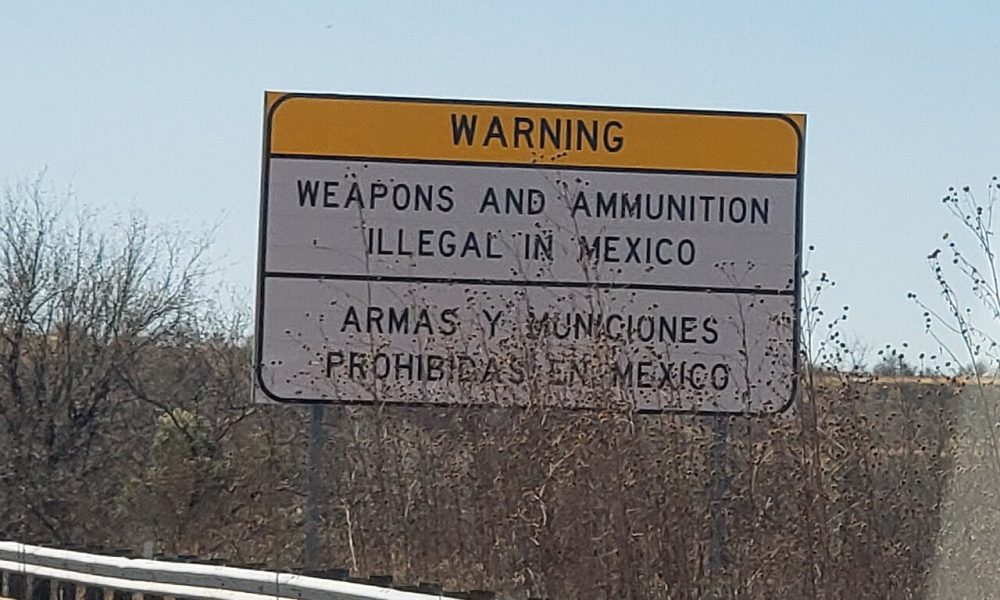
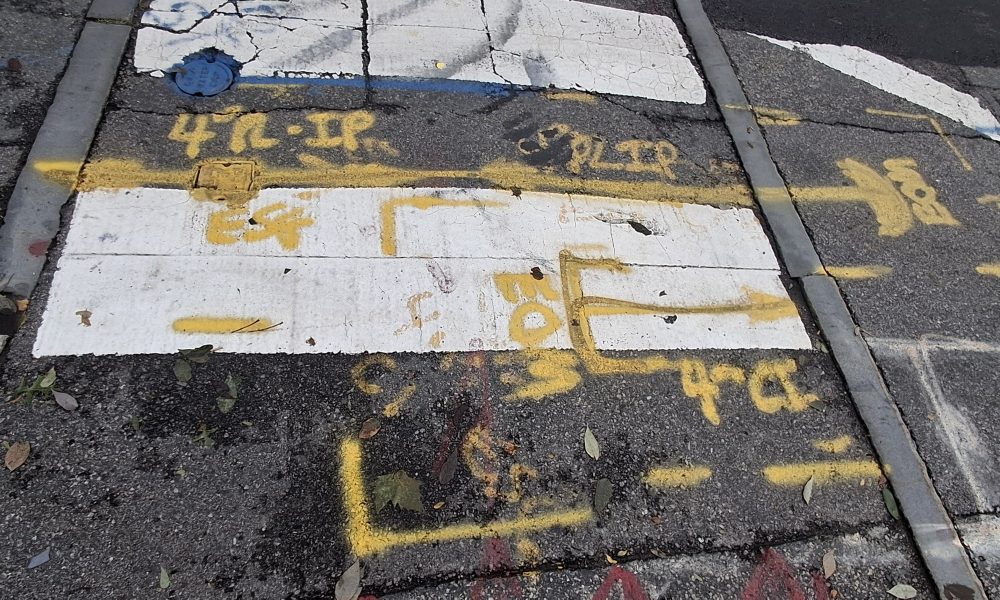
“Our Guns Make the Violence That People Are Fleeing”: Ieva Jusionyte on Guns & Violence in Mexico
“I was already there, and I was already an ethnographer. I was interested in borders as sites of state violence. I became very curious and I thought I would like to follow the guns south.”
-

“She Seems So Normal to Me”: Cassandra Neyenesch on Writing a Woman on the Verge
-

Adventures Newly Narrated: Jessica Francis Kane on Penelope Fitzgerald’s Lost Adventure
-

“If a Woman Commanded Fire”: Talking Historical Stoves and Affordable Energy with Joyce Chaplin
-

“Melodrama with a Modern Sensibility”: A Conversation with Megan Cummins


-

Don’t Save Yourself, Save the World: A Dialogue with Vincent Lloyd
“I’m very skeptical about the ability of people in positions of power and privilege—including intellectuals—to name truths about the world.”
-

“If It Bleeds, We Can Kill It”: Ander Monson on “Predator” and the Monster of American Masculinity
“I see actual male friendship, in a way that I don’t in almost any other action movie from the 80s.”
-

“We Want More Housing, but How?” Talking with Max Holleran
“There are a lot of basic things that America has still not accepted in terms of how to live a happy urban life.”
-

Cooking, Monasteries, Arithmetic: Lorraine Daston on the History of Rules
“There is a deadly earnestness with which children take up whatever rules have been established for a particular context.”
-

Saying Goodbye to Childhood: An Interview with Javier Zamora
“I hope people will see the heartbreak of a little kid having to grow up and say goodbye to his childhood in order to survive.”
-

What Films Should We Teach?: A conversation about the Canon
What are the most-assigned films in college classrooms? Three film studies professors talk about the rankings and what they mean.
-

“There Are More Things”: Benjamín Labatut on Betrayal, Fiction, and the Future
“If I’m honest, I never came back to Chile, at least not to the country of my early childhood, an inferno in which I was happy.”
-

Between Coldness and Adoration: A Zainichi Korean’s Experience in Japan
“I urge Japanese readers to take another look at their elementary and middle school textbooks.”
-

NEUT Magazine on Making Space for Social Discourse in Japan
“I want the world to know that there are people speaking up and trying to change society here.”
-

“The Breath of Life”: Sheila Heti on Art, Loss, and Immortality
“Let it become the thing that leads you through your days for years on end—just allowing that problem to live in front of you and to guide you.”
-

Public Thinker: Jaipreet Virdi on Disability History & Deaf Futures
“Disabled people have long made their own hacks.”
-

“No One Is There Who Has Somewhere Better to Be”: Talking Migration with Levi Vonk
“The asylum system is a rejection of anything that disrupts American universalism. It’s kicking people out who offer an alternative view of the world.”
-

“In Any Version of Reality”: Talking SF with Charles Yu
“It’s why science fiction matters so much to me: I’m trying to dislocate our sense of the normal.”
-

“Democracy Depends on It”: Carissa Véliz on Privacy and Ending Data Surveillance
“There is nothing shocking or radical about ending an economic practice that has too many negative externalities.”
-

“The War Conquers You Not Only Physically”: Darya Tsymbalyuk on Plants and Humans in Ukraine
For several years, Darya Tsymbalyuk has been drafting a new history of Ukraine’s Donbas that overturns our assumptions. Rather than focus on the industrialization and war that have dominated the region, she interviews locals and asks them to draw maps of their hometowns, based on their memories and emotional connections. The resulting maps—which emerge in…
-

Mandy Sayer interviews Helen Garner, 1989
“We didn’t think of ourselves as hippies, we thought of ourselves as serious people with politics.”
-

Public Thinker: Lara Putnam Wants You to Knock on Your Neighbor’s Door
“Campaigns matter in part because of who meets whom, about the social networks that are shaped by that campaign as well as shaping it.”
-

America’s “Land Grab” Universities: Robert Lee on Colonial Extraction by “Treaty-Like Agreements”
“It’s not about the land underneath campuses. It’s land at a distance, that can be sold or managed to raise funds for endowments.”
-

Succeeding through Failure: Andrew Lakoff on Preparing for Emergencies
“What is the range of available measures to address our catastrophic future?”
-

Private Pain, Public Disinvestment: Talking Student Debt with Elizabeth Tandy Shermer
“Individual Americans thought they were the only ones who could not afford to send their kids to college.”